
As the vibrant autumn leaves begin to fall across Woodbury and the temperatures start to drop, it's the perfect time to ensure your home's security systems are ready for the season ahead. Fall brings unique challenges for homeowners in the Hudson Valley region, from earlier sunsets that provide more cover for potential intruders to holiday preparations that can leave homes vulnerable. Whether you're preparing for the busy holiday season or simply want to winterize your property's security features, this comprehensive fall locksmith checklist will help you identify potential vulnerabilities and take proactive steps to protect your home and family. Our team at Central Valley NY Locksmith has been serving Woodbury residents for years, and we've compiled this essential guide based on the most common security concerns we encounter during the autumn months.
Why Fall is Critical for Home Security Maintenance
The transition from summer to fall presents several security considerations that many homeowners overlook. Daylight saving time ends in early November, meaning darkness arrives much earlier in the evening—often before many people return home from work. This extended darkness provides additional cover for burglars and makes it more difficult for neighbors to notice suspicious activity around your property.
Statistically, home burglaries increase during the fall and winter months, particularly around major holidays when homes are stocked with valuable gifts and families travel to visit relatives. The FBI reports that a burglary occurs every 26 seconds in the United States, with the majority happening during daylight hours when homes are empty. By conducting a thorough security assessment now, you can address vulnerabilities before they become problems.
Additionally, the weather changes that come with fall can affect your locks and security hardware. Cold temperatures can cause metal components to contract, potentially leading to sticky locks or misaligned strike plates. Moisture from rain and early frost can cause rust and corrosion if locks aren't properly maintained. Taking preventive action now will save you from emergency lockout situations during the coldest months of winter.
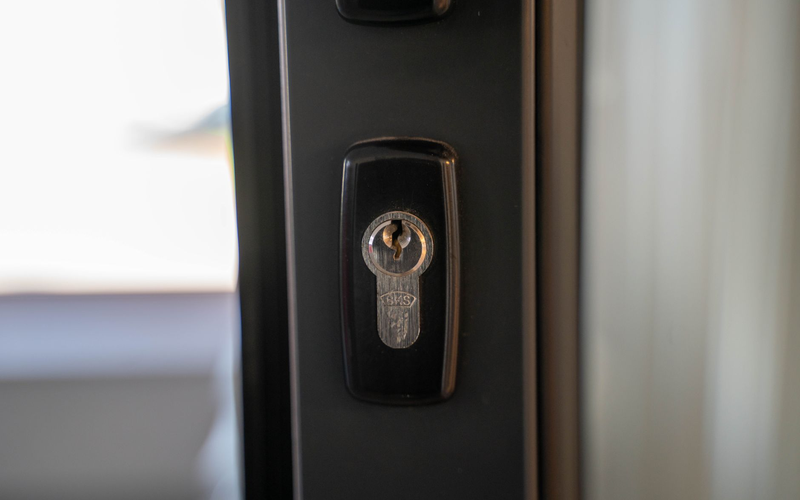
Inspect All Entry Point Locks
Your home's locks are the first line of defense against unauthorized entry, making them the most critical component of your security system. Begin your fall security audit by thoroughly inspecting every lock on every entry point to your home, including doors you rarely use.
Front Door Deadbolt Assessment
Your front door endures the most use and wear throughout the year. Test your deadbolt by ensuring it extends at least one inch into the door frame when locked. A deadbolt with a shorter throw can be vulnerable to forced entry. The bolt should move smoothly without sticking or requiring excessive force. If you notice any resistance, the lock mechanism may need lubrication or the door may have settled, causing misalignment.
Check that your strike plate—the metal piece on the door frame that receives the bolt—is securely fastened with screws that are at least three inches long. Many builders install strike plates with short screws that only penetrate the door frame, not the wall stud behind it. Upgrading to longer screws is a simple, inexpensive improvement that significantly increases your door's resistance to kick-in attempts.
Back and Side Door Security
Many homeowners focus heavily on front door security while neglecting other entry points. Burglars know this and often target back doors, side doors, and garage entries because they're less visible to neighbors and passersby. Inspect these locks with the same scrutiny you give your front door.
Consider upgrading to Grade 1 deadbolts on all exterior doors. These locks meet the highest security standards set by the American National Standards Institute (ANSI) and provide superior protection against picking, bumping, and forced entry. If your back or side doors currently have only key-in-knob locks, add a deadbolt for enhanced security—a key-in-knob lock alone provides minimal protection.
Sliding Door and Window Lock Evaluation
Sliding glass doors present unique security challenges. The factory-installed locks on most sliding doors are notoriously weak and easy to bypass. Test your sliding door by attempting to lift it off its track while locked—if there's significant movement, install anti-lift devices or adjust the door's roller height.
Place a cut-to-fit security bar or wooden dowel in the door track as an additional barrier. For enhanced protection, consider installing a pin lock or a keyed sliding door lock that prevents the door from being opened even if the glass is broken.
Window locks should also be checked and tested. Ensure all window locks engage properly and that windows cannot be opened when locked. For first-floor windows and any window accessible from a roof, porch, or tree, consider installing keyed locks or window security pins.
Test Your Lock Mechanisms
Simply having locks isn't enough—they need to function properly to provide security. Testing each lock mechanism helps identify issues before they leave you locked out or, worse, unable to lock your home securely.
Smooth Operation Check
Insert your key into each lock and turn it through its full range of motion. The key should insert and remove easily, and the lock should turn smoothly without catching or grinding. Any resistance indicates a problem that could worsen during winter when metal components contract in cold temperatures.
If a lock feels sticky, it may need cleaning and lubrication. Avoid using oil-based lubricants like WD-40, which can attract dirt and gum up the mechanism over time. Instead, use a dry graphite lubricant or a silicone-based lock lubricant specifically designed for lock mechanisms. Insert the lubricant into the keyway and work the key in and out several times to distribute it throughout the lock.
Key Condition Assessment
Examine your keys for signs of wear. Keys that appear bent, worn down, or damaged should be replaced immediately. A worn key can break off inside a lock, requiring emergency locksmith services and potentially leaving your home vulnerable. If your keys are several years old and show visible wear, have new keys cut from the original or from a code.
Make sure every adult family member has a complete set of keys to all exterior locks. It's also wise to provide a spare set to a trusted neighbor or family member who lives nearby. However, avoid hiding keys under doormats, in flowerpots, or above door frames—these are the first places burglars look.
Rekey or Replace Old Locks
Fall is an ideal time to upgrade your home's security by rekeying or replacing outdated locks. If you've lived in your home for several years, moved into a previously owned home, or had any situation where keys may have been compromised, rekeying should be a priority.
When to Rekey Your Locks
Rekeying involves changing the internal pins of a lock so that old keys no longer work, while new keys are created to operate the lock. This process is less expensive than replacing locks entirely and is appropriate in several situations:
- You've recently purchased a home and don't know how many copies of keys the previous owners made
- You've ended a relationship with someone who had keys to your home
- You've lost keys or had them stolen
- Keys have been in the possession of contractors, housesitters, or service providers
- You want to create a master key system for your home
When to Replace Locks Entirely
Some situations call for complete lock replacement rather than rekeying. Replace locks when they show significant wear, damage, or rust that compromises their function. Locks more than 10-15 years old may lack the security features found in modern locks and should be upgraded.
Consider replacing standard locks with high-security locks that offer pick resistance, bump resistance, and drill resistance. These locks feature patented keyways that prevent unauthorized key duplication, giving you control over who can make copies of your keys.
Smart locks are another upgrade option worth considering. These electronic locks can be controlled via smartphone apps, allowing you to lock and unlock doors remotely, provide temporary access codes to guests or service providers, and receive alerts when doors are unlocked. Many smart locks also maintain detailed access logs, showing exactly when and how your doors were accessed.
Check and Upgrade Door Hardware
Even the best locks won't provide adequate security if the door itself or surrounding hardware is weak. A comprehensive fall security check includes assessing all door components.
Door Frame Reinforcement
The strongest lock in the world won't help if the door frame splinters when kicked. Examine your door frames for signs of wear, rot, or previous damage. Pay particular attention to the area around the strike plate where the deadbolt engages.
Door frame reinforcement kits are available at most hardware stores and can be installed to strengthen the weak points in standard residential door frames. These kits typically include a metal plate that distributes force across a larger area of the frame and longer screws that anchor into wall studs. Installation is straightforward and dramatically increases resistance to forced entry.
Hinge Security Assessment
If your exterior doors have hinges on the outside, they represent a significant vulnerability. An intruder can simply remove the hinge pins and take the door off its hinges, regardless of how many locks you have. For outward-swinging doors with exposed hinges, install hinge security pins or replace standard hinges with security hinges that have non-removable pins.
Even for doors with interior hinges, ensure hinge screws are long enough to penetrate wall studs. Replace short screws with 3-inch screws for increased holding power.
Door Strength and Condition
Hollow-core doors provide minimal security and can be easily kicked in or broken through. All exterior doors should be solid-core wood or, even better, steel or fiberglass. These materials resist forced entry attempts much more effectively than hollow-core doors.
Inspect the door itself for signs of warping, rot, or damage. Weather stripping should be intact not only for energy efficiency but also to ensure proper door alignment. A door that doesn't close and latch properly due to warping or settling may not engage locks fully, leaving your home vulnerable.
Prepare for the Holiday Season
The period from Halloween through New Year's Day brings increased home security risks. Families travel, homes are filled with valuable gifts, and busy schedules can lead to overlooked security measures.
Pre-Holiday Home Security Checklist
Before traveling for Thanksgiving or winter holidays, complete these essential security tasks:
- Test all locks one final time to ensure they're functioning properly
- Provide a trusted neighbor or friend with emergency contact information and a spare key
- Set timers on interior lights to create the appearance of occupancy
- Stop mail and newspaper delivery or have someone collect them daily
- Avoid announcing travel plans on social media
- Consider installing a smart doorbell with video capabilities to monitor your front entrance remotely
- Ensure your security system is functioning if you have one
- Lock all windows, including second-floor windows accessible from roofs or trees
- Secure garage doors and any entry points from the garage to your home
- Remove valuables from plain sight of windows
Package Delivery Security
The rise of online shopping means more package deliveries, and package theft has become increasingly common. Consider these solutions for protecting deliveries:
- Install a video doorbell to receive alerts when packages arrive
- Request signature confirmation for valuable items
- Have packages delivered to your workplace or held at a delivery facility for pickup
- Install a secure package delivery box on your porch
- Join or create a neighborhood watch group where neighbors can accept packages for each other
Maintain Your Garage Security
For many Woodbury homes, the garage is an overlooked entry point that deserves attention during your fall security audit. An unsecured garage can provide intruders with cover while they attempt to access your home and may contain valuable tools and equipment.
Garage Door Opener Security
Modern garage door openers include security features that older models lack. If your garage door opener is more than 10-15 years old, consider upgrading to a model with rolling code technology. These openers change the access code each time the door is operated, preventing code-grabbing devices from duplicating your remote signal.
Test your garage door's auto-reverse safety feature by placing an object in the door's path. The door should reverse immediately upon contact. This safety feature also prevents the door from being forced closed if someone is attempting to enter.
Always keep garage door remotes secured. Never leave them in vehicles parked outside, and consider using a keychain remote instead of a visor-clip model that's more easily stolen. If you have a wireless keypad entry system, change the access code annually or if you suspect it's been compromised.
Interior Garage Door Security
The door leading from your garage into your home should be treated as an exterior door with full security measures. Install a Grade 1 deadbolt on this door and ensure it has a solid core construction. Many homeowners are casual about locking this door since it's "inside" the garage, but an unlocked garage door is often all that stands between an intruder and this entry point.
Keep the garage door closed even when you're home. An open garage door advertises your presence and displays your possessions to passersby. It also provides easy access if you're in another part of your home and don't notice someone entering.
Address Outdoor Security Concerns
As days grow shorter and darkness arrives earlier, outdoor security becomes increasingly important. The exterior of your home should discourage potential intruders and make it difficult for them to approach undetected.
Lighting Assessment and Upgrades
Proper outdoor lighting is one of the most effective and affordable security measures you can implement. Walk around your property at night and identify dark areas where someone could approach your home undetected. Key areas that should be well-lit include:
- All entry doors, front, back, and side
- Pathways and driveways
- Garage and outbuildings
- Dark corners of your yard
- Areas beneath large trees or beside tall shrubs
Consider adding timer-controlled lights indoors as well, creating patterns that simulate normal occupancy even when you're away. Smart home lighting systems allow you to control lights remotely and create random patterns that are more convincing than simple timers.
Landscaping for Security
Fall yard maintenance provides an opportunity to improve security through strategic landscaping. Trim back shrubs and tree branches near windows and doors that could provide concealment for intruders. Windows and entry points should be clearly visible from the street and neighboring properties.
Plant thorny or spiny bushes beneath first-floor windows as a natural deterrent. Varieties like barberry, pyracantha, or rose bushes make it extremely uncomfortable for anyone to approach these windows.
Keep your lawn maintained and clear of tools, ladders, or lawn furniture that could be used to access second-floor windows or hide valuables. A well-maintained property signals that the home is occupied and cared for, while an unkempt yard suggests absence or neglect.
Consider Professional Security Upgrades
While many security improvements can be handled as DIY projects, some situations call for professional expertise. A qualified locksmith can assess your specific security needs and recommend solutions tailored to your home and neighborhood.
Professional Security Assessment
A professional security assessment examines your entire property from a security perspective, identifying vulnerabilities you may not notice. Locksmiths experienced with Woodbury area homes understand local security concerns and can recommend appropriate measures based on neighborhood crime patterns and common break-in methods in the Hudson Valley region.
During an assessment, a locksmith will evaluate all locks, doors, windows, and entry points, test their function, and recommend upgrades or repairs. They can also advise on security system integration, smart lock options, and master key systems if you have multiple properties or rental units.
High-Security Lock Installation
High-security locks provide features that standard residential locks lack. These include:
- Pick-resistant pin configurations that thwart lock-picking attempts
- Bump-resistant designs that prevent bump key attacks
- Drill-resistant plates that protect the lock cylinder
- Patented keyways that prevent unauthorized key duplication
- Reinforced construction for greater durability