
Whether you're a homeowner in Central Valley, a business owner along the NY-32 corridor, or a driver navigating Orange County, lock and key problems always seem to happen at the most inconvenient times. Understanding common locksmith issues and their solutions can help you respond quickly and minimize disruption to your day. From residential lockouts to commercial security upgrades, knowing what to expect and how to handle these situations can save you time, money, and stress.
At Central Valley NY Locksmith, we've seen just about every lock-related problem imaginable. Our years of serving the Central Valley community have given us unique insights into the most frequent issues residents and business owners face. In this comprehensive guide, we'll walk you through the most common locksmith problems, explain why they occur, and provide practical solutions to help you navigate these situations with confidence.
Residential Lockouts: The Most Common Emergency
Being locked out of your home is one of the most frustrating experiences any homeowner can face. It happens more often than you might think, and it's always at the worst possible moment—when you're carrying groceries, late for an appointment, or returning home after a long day.
Why Lockouts Happen:
- Keys accidentally left inside the home
- Lost or misplaced keys
- Children accidentally locking doors from the inside
- Damaged or worn keys that break in the lock
- Malfunctioning locks due to age or weather conditions
When you find yourself locked out, resist the urge to break a window or force the door open. These desperate measures often cause expensive damage and create security vulnerabilities. Instead, check if any other entry points are accessible—side doors, garage entries, or windows you may have left unlocked. If you have a trusted neighbor with a spare key, that's obviously your quickest solution.
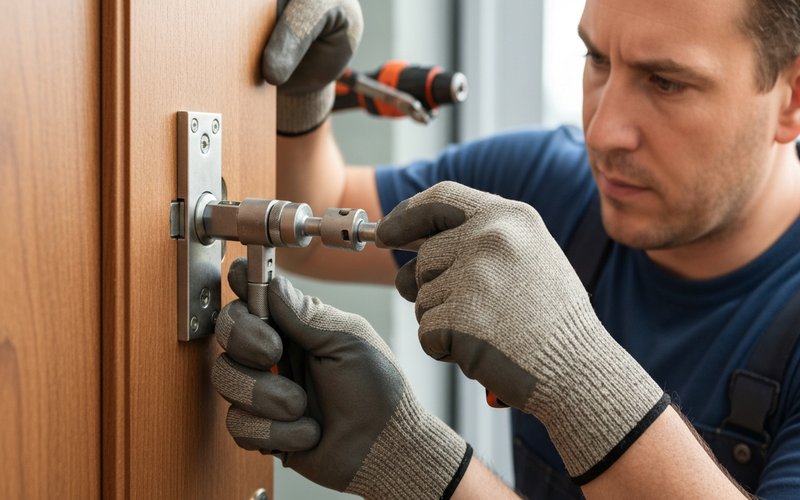
For those without alternatives, calling a professional locksmith is your safest bet. A qualified technician can gain entry without damaging your locks or doors, preserving your home's security. Our team at Central Valley NY Locksmith provides 24/7 emergency lockout service throughout the NY-32 area, ensuring you're never left waiting in the cold.
Prevention Strategies:
The best way to handle lockouts is to prevent them entirely. Consider implementing these strategies:
- Give spare keys to trusted family members or neighbors
- Install a keyless entry system or smart lock
- Keep a spare key in a secure, hidden location (not under the doormat)
- Develop a routine of checking for your keys before closing the door
- Consider a lockbox with a combination code for emergency access
Broken Keys: A Common Yet Preventable Problem
Keys breaking off in locks is a surprisingly common problem that can leave you stranded and frustrated. This issue often occurs with older keys or locks, particularly during winter months when metal becomes more brittle in Central Valley's cold weather.
Why Keys Break:
Keys don't typically break without warning. Several factors contribute to key breakage:
- Excessive wear from years of use
- Using the wrong key or forcing a key that doesn't fit properly
- Manufacturing defects or poor-quality key copies
- Frozen locks in winter that resist turning
- Applying too much force when turning a stubborn lock
If your key breaks in the lock, don't panic. Sometimes you can extract it yourself:
1. Apply lubricant (like WD-40) to help loosen the broken piece 2. Use needle-nose pliers to grip any visible portion of the key 3. Try a broken key extractor tool if you have one available 4. Gently work the fragment back and forth while pulling outward
However, amateur extraction attempts can push the broken piece deeper into the lock, making professional removal more difficult and expensive. If you're not confident in your ability to remove the key fragment, it's best to call a professional locksmith immediately.
Professional Solutions:
A professional locksmith has specialized tools designed specifically for key extraction. We can remove broken key fragments without damaging your lock mechanism, then cut you a new key on the spot. This approach is faster and more cost-effective than replacing the entire lock.
Worn or Damaged Locks: When Age Takes Its Toll
Locks don't last forever. Over time, internal mechanisms wear down, springs weaken, and pins become misaligned. Central Valley's seasonal temperature fluctuations and humidity changes can accelerate this deterioration, particularly for exterior locks.
Signs Your Locks Need Attention:
- Keys are difficult to insert or turn
- Locks stick or catch when operating
- Visible rust or corrosion on the lock body
- The key wiggles excessively in the lock
- Deadbolts don't fully extend or retract smoothly
- Door handles feel loose or wobbly
Regular maintenance can extend your locks' lifespan significantly. Every six months, you should:
- Clean locks with compressed air to remove debris
- Apply graphite lubricant (never oil) to the keyway
- Tighten any loose screws on lock hardware
- Check alignment of strike plates and adjust if necessary
- Test all locks to ensure smooth operation
Sometimes repair isn't cost-effective or even possible. Consider replacement if your locks are more than 10 years old, show significant wear, or if you've experienced a security breach. Modern locks offer superior security features, including pick-resistance and drill protection. Upgrading to high-security locks is an investment in your property's protection and your peace of mind.
Jammed Locks: Frustrating but Fixable
A jammed lock can ruin your morning faster than almost anything else. When your key won't turn or the lock won't engage, you're stuck—literally. This problem affects both residential and commercial properties throughout Central Valley.
Common Causes of Jammed Locks:
- Accumulation of dirt, dust, or debris inside the lock
- Frozen lock mechanisms during winter
- Misaligned door or door frame
- Damaged internal lock components
- Using the wrong key or a poorly cut duplicate
Before calling for professional help, try these troubleshooting steps:
For debris-related jams, spray compressed air into the keyway to dislodge particles. Follow with a small amount of graphite powder lubricant. For frozen locks, warm your key with a lighter or match, then gently insert it into the lock. Never force it—you could break your key or damage the lock mechanism.
If your door has shifted and the lock no longer aligns with the strike plate, you might need to adjust the strike plate position. This is a more involved repair that often requires professional assistance to ensure proper security.
Professional Intervention:
Persistent jamming indicates a more serious problem that requires expert diagnosis. Our locksmiths can disassemble your lock, identify the problem, and either repair or replace components as needed. We'll also check your door alignment and make adjustments to prevent future jamming.
Lost or Stolen Keys: A Security Concern
Losing your keys is more than just inconvenient—it's a security risk. If someone finds your keys and can identify your address, your property is vulnerable. This is especially concerning if your keys were attached to identification or taken from your vehicle.
Immediate Steps to Take:
When you lose keys or suspect they've been stolen:
1. Search thoroughly before assuming they're truly lost 2. Alert your household or business staff immediately 3. Consider temporary security measures like changing your routine 4. Contact a locksmith to discuss rekeying or replacement 5. Update your security system codes if applicable
Rekeying vs. Replacing Locks:
Many people assume lost keys require complete lock replacement, but rekeying is often a better solution. Rekeying involves changing the internal pins in your existing locks so old keys no longer work. This process is faster and significantly less expensive than full replacement, while providing the same security benefits.
Rekeying makes particular sense when:
- You've recently moved into a previously occupied home
- You've ended a relationship and want to control access
- An employee with keys has left your business
- You've lost track of how many key copies exist
Commercial Locksmith Challenges
Business owners in Central Valley face unique security challenges. Commercial properties require more sophisticated locking systems to protect assets, employees, and customers. Managing access control for multiple employees adds another layer of complexity.
Master Key System Complications:
Many businesses use master key systems that allow different levels of access for different employees. When these systems malfunction or need updating, it can disrupt business operations:
- Lost master keys compromise entire systems
- Employee turnover requires frequent access updates
- Expanding businesses need additional access points
- Key control becomes difficult without proper management
Modern businesses often rely on electronic access control systems. Common problems include:
- Malfunctioning card readers or keypads
- Software glitches preventing authorized access
- Power outages affecting electronic locks
- Employee credentials requiring updates or resets
A comprehensive commercial locksmith service provider can design and maintain security systems tailored to your business needs. This includes installing high-security locks, implementing master key systems, and integrating electronic access control. Regular security audits help identify vulnerabilities before they become problems.
Car Lockouts and Automotive Key Problems
Vehicle lockouts and key issues create their own unique challenges. Modern cars with advanced security systems and electronic keys have made automotive locksmithing increasingly complex.
Common Automotive Lock Issues:
- Keys locked inside the vehicle
- Broken or worn car keys
- Malfunctioning key fobs or transponder keys
- Ignition cylinder problems
- Trunk lockouts
Today's vehicles use sophisticated key technology including transponder chips, proximity keys, and push-button start systems. When these keys fail, simple duplication isn't possible—they require programming to your vehicle's computer system. This specialized service requires advanced equipment and expertise.
Emergency Automotive Solutions:
When you're locked out of your vehicle, time is critical, especially in extreme weather. Professional automotive locksmiths can access your vehicle without damage and create new keys on-site, including programming transponder chips. This service is typically faster and less expensive than towing your vehicle to a dealership.
Smart Lock Technology: Modern Solutions and Problems
Smart locks represent the future of home security, offering convenience and advanced features. However, they also introduce new types of problems that traditional locks don't have.
Common Smart Lock Issues:
- Dead batteries preventing access
- Wi-Fi connectivity problems
- Software bugs or failed updates
- Compatibility issues with smart home systems
- User access management complications
Despite potential technical issues, smart locks offer significant advantages:
- Grant temporary access to visitors or service providers
- Monitor who enters and exits your property
- Receive alerts when doors are unlocked
- Eliminate the need for physical keys
- Integrate with home automation systems
Proper installation is crucial for smart lock performance. Many homeowners attempt DIY installation only to encounter problems with alignment, connectivity, or functionality. Professional installation ensures your smart lock works correctly from day one. Regular battery changes and software updates maintain optimal performance.
Weather-Related Lock Problems in Central Valley
Central Valley experiences distinct seasons, and weather significantly impacts lock performance. Understanding these seasonal challenges helps you prepare and respond effectively.
Winter Lock Challenges:
Cold temperatures create multiple lock problems:
- Frozen lock mechanisms that won't turn
- Ice accumulation preventing key insertion
- Contracted metal making keys difficult to turn
- Moisture freezing inside locks overnight
Protect your locks before winter arrives:
- Apply lock de-icer or graphite lubricant
- Install weatherproof lock covers for exposed locks
- Keep locks clean and free of moisture
- Consider upgrading to cold-weather resistant locks
While less dramatic than winter problems, summer humidity causes wood doors to swell, affecting lock alignment. This misalignment makes locks difficult to operate and can cause premature wear. Regular adjustment maintains proper function throughout humid months.
Emergency Locksmith Situations: When to Call Immediately
Some locksmith problems require immediate professional attention. Knowing when to call for emergency service can prevent property damage, ensure your safety, and maintain security.
Situations Requiring Emergency Service:
- You're locked out after dark in an unsafe area
- Your lock has been damaged by attempted break-in
- You've lost keys and believe they've been stolen
- Your business security has been compromised
- Severe weather has damaged your locks
- You're stranded away from home with a car lockout
Quality emergency locksmith service means rapid response, professional expertise, and transparent pricing. At Central Valley NY Locksmith, our emergency technicians arrive quickly, assess your situation, and implement solutions efficiently. We carry comprehensive equipment to handle any lock emergency on the spot.
DIY Lock Repairs: When It's Safe and When It's Not
While some lock maintenance is suitable for homeowners, attempting complex repairs without proper knowledge and tools often causes more damage and expense.
Safe DIY Tasks:
- Cleaning and lubricating locks
- Tightening loose door hardware
- Replacing worn weatherstripping around doors
- Changing batteries in electronic locks
- Simple strike plate adjustments
Leave these tasks to qualified locksmiths:
- Rekeying locks or changing cylinders
- Extracting broken keys from locks
- Repairing or replacing damaged locks
- Installing new locks or deadbolts
- Programming transponder keys
- Setting up master key systems
Choosing the Right Locksmith in Central Valley
When lock problems arise, choosing a reliable, professional locksmith is crucial. Not all locksmiths offer the same quality of service, and unfortunately, some operate dishonestly.
What to Look for in a Locksmith:
- Local presence with a verifiable physical address
- Proper licensing and insurance
- Transparent pricing with written estimates
- Professional equipment and branded vehicles
- Positive customer reviews and references
- 24/7 emergency availability
Be cautious of locksmiths who:
- Quote unrealistically low prices over the phone
- Arrive in unmarked vehicles
- Insist on drilling or replacing locks unnecessarily
- Demand cash-only payment
- Cannot provide proper identification or credentials
Comprehensive Security Assessments
Beyond fixing immediate problems, professional locksmiths can evaluate your overall security and identify vulnerabilities you might not notice.
What a Security Assessment Includes:
A thorough security evaluation examines:
- All entry points including doors, windows, and garage access
- Lock quality and condition throughout your property
- Door and frame integrity
- Lighting around entry points
- Visibility from street and neighbors
- Current security system effectiveness
Based on the assessment, your locksmith can recommend and implement security improvements. This might include upgrading to high-security locks, installing additional deadbolts, improving door reinforcement, or integrating smart lock technology. These improvements work together to create multiple layers of security protection.
Maintaining Your Locks for Longevity
Preventive maintenance is always more cost-effective than emergency repairs. A simple maintenance routine keeps your locks functioning properly for years.
Monthly Lock Care:
- Test all locks to ensure smooth operation
- Check for loose screws or hardware